
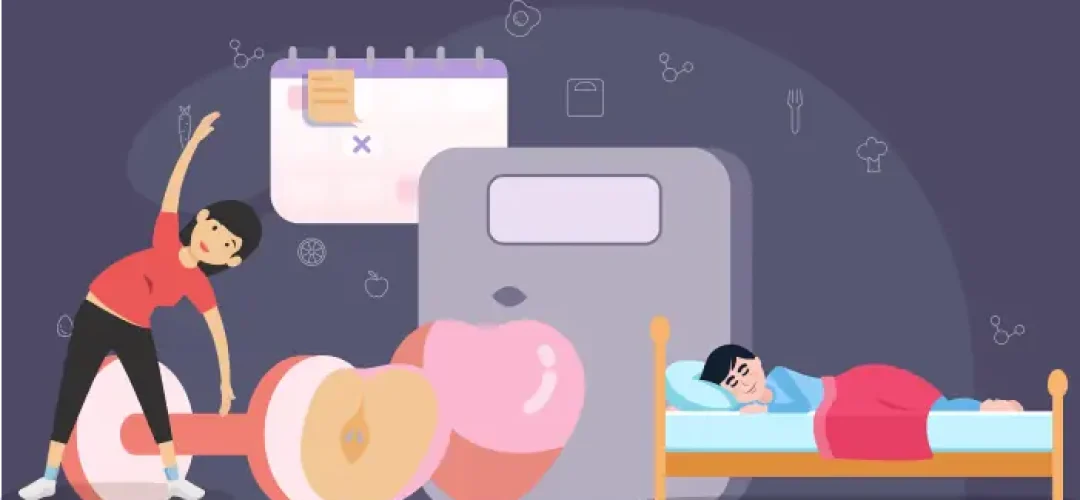
In our fast-paced, modern world, the concept of “healthy living” often feels like an elusive goal buried under a mountain of conflicting advice and trending fads. However, true wellness isn’t about perfection or extreme restrictions. It is the result of consistent, small choices made across three fundamental pillars: Nutrition, Sleep, and Exercise.
When these three areas are in harmony, they create a synergistic effect that boosts energy, improves mental clarity, and increases longevity. This guide breaks down the science and practical strategies for mastering these essentials to help you build a sustainable, healthy lifestyle.
1. Nutrition: Fueling for Vitality
Nutrition is the cornerstone of physical health. Every cell in your body is built from the nutrients you consume. Rather than focusing on “dieting”—which implies a temporary state—shift your perspective toward nourishment.
Prioritize Whole Foods
The simplest rule of thumb is to eat foods that look like they did in nature. Whole foods, such as fruits, vegetables, legumes, nuts, and lean proteins, are packed with fiber, vitamins, and minerals.
- The Plate Method: Aim to fill half your plate with colorful vegetables, one-quarter with lean protein (chicken, fish, tofu, or beans), and one-quarter with complex carbohydrates (quinoa, brown rice, or sweet potatoes).
- Fiber is Key: Fiber aids digestion and keeps you full longer. Aim for 25–30 grams per day.
The Role of Macronutrients
- Proteins: Essential for muscle repair and immune function.
- Healthy Fats: Found in avocados, olive oil, and fatty fish. These are crucial for brain health and hormone production.
- Complex Carbohydrates: These provide sustained energy without the “crash” associated with refined sugars.
Mindful Eating and Hydration
How you eat is just as important as what you eat. Mindful eating involves slowing down and listening to your body’s hunger and fullness cues. This prevents overeating and improves digestion. Additionally, never underestimate the power of water. Dehydration can often be mistaken for hunger and can lead to fatigue and brain fog.
2. Sleep: The Great Restorer
If nutrition is the fuel, sleep is the maintenance department. While you sleep, your body undergoes critical processes: tissue repair, protein synthesis, and the “flushing out” of neurotoxins from the brain.
The Science of the Sleep Cycle
Adults generally need 7 to 9 hours of quality sleep per night. Sleep is divided into cycles of Light, Deep, and REM (Rapid Eye Movement) sleep. Deep sleep is vital for physical recovery, while REM sleep is essential for cognitive functions like memory consolidation and emotional regulation.
Tips for Better Sleep Hygiene
If you struggle with insomnia or restless nights, consider these adjustments:
- Consistency is Queen: Go to bed and wake up at the same time every day, even on weekends. This regulates your circadian rhythm.
- The “Digital Sunset”: Blue light from smartphones and laptops suppresses melatonin, the hormone that tells your brain it’s time to sleep. Turn off screens at least 60 minutes before bed.
- Optimize Your Environment: Your bedroom should be a sanctuary—cool, dark, and quiet. Use blackout curtains or a white noise machine if necessary.
The Link Between Sleep and Weight
Research shows that sleep deprivation affects the hormones ghrelin (which signals hunger) and leptin (which signals fullness). Lack of sleep increases ghrelin and decreases leptin, leading to cravings for high-calorie, sugary foods the next day.
3. Exercise: Moving with Purpose
Physical activity is often viewed as a tool for weight loss, but its benefits for mental health, bone density, and cardiovascular strength are far more significant. The goal is to move away from “sedentary” living toward “active” living.
Finding the Right Balance
A well-rounded fitness routine should include three main components:
- Cardiovascular Exercise: Activities like walking, running, or cycling improve heart health and lung capacity. Aim for at least 150 minutes of moderate-intensity cardio per week.
- Strength Training: Lifting weights or using bodyweight exercises (like push-ups and squats) preserves muscle mass, which naturally declines with age. Aim for two sessions per week.
- Flexibility and Mobility: Yoga or stretching helps prevent injury and keeps your joints healthy as you age.
The “Movement Snack” Approach
You don’t need to spend two hours at the gym to be healthy. “Movement snacks”—short bursts of activity throughout the day—can be incredibly effective. Take the stairs, go for a 10-minute walk after lunch, or do some desk stretches. These small increments add up.
Mental Health Benefits
Exercise is one of the most effective ways to manage stress. Physical activity releases endorphins, the body’s natural feel-good chemicals. Regular movement has been shown to reduce symptoms of anxiety and depression, providing a natural boost to your mood.
4. Synthesis: Bringing It All Together
The true secret to healthy living is understanding how these three pillars interact. For example:
- If you exercise intensely but don’t get enough sleep, your muscles won’t recover, and you risk injury.
- If you eat a nutritious diet but remain sedentary, your metabolic health may still suffer.
- If you sleep well but eat processed sugars, your energy levels will fluctuate, making it harder to stay motivated for exercise.
How to Start Without Overwhelming Yourself
Don’t try to overhaul your entire life in one day. Pick one small habit in each category:
- Nutrition: Add one serving of greens to your dinner.
- Sleep: Put your phone away 30 minutes earlier tonight.
- Exercise: Take a 15-minute walk after work.
Key Takeaway: Health is a journey, not a destination. It is built on the foundation of self-compassion and consistency. When you fall off track, simply resume your healthy habits at the next possible opportunity.
Conclusion
Healthy living is an investment that pays dividends in every area of your life. By focusing on nutrient-dense foods, prioritizing restorative sleep, and finding joy in movement, you aren’t just adding years to your life—you are adding life to your years. Start small, stay consistent, and listen to your body. Your future self will thank you.