In an unpredictable world, financial stability isn’t just about how much you earn or how aggressively you invest; it’s about how well you can weather a storm. Whether it’s a sudden job loss, an urgent medical procedure, or a major car repair, life has a way of throwing expensive curveballs.
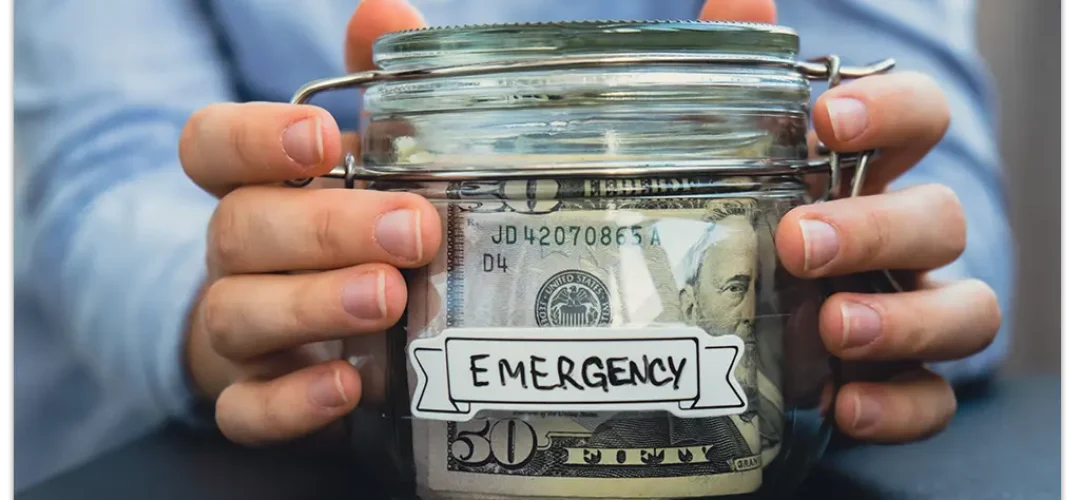
An emergency fund is the cornerstone of a healthy financial life. It is the buffer between a temporary setback and a long-term debt spiral. In this guide, we will explore why you need an emergency fund, how much you should save, and the step-by-step process to build your own financial safety net.
What Exactly is an Emergency Fund?
An emergency fund is a stash of liquid cash set aside specifically for unplanned, necessary expenses. It is not a savings account for a new iPhone, a summer vacation, or a down payment on a house. It is “peace of mind” kept in a bank account.
The primary goal is accessibility. While investments in the stock market or real estate might offer higher returns, they are subject to volatility and may take days or weeks to liquidate. An emergency fund must be available immediately, regardless of market conditions.
Why You Need One: The Psychology of Security
Without a safety net, most people resort to high-interest credit cards or personal loans when disaster strikes. This creates a “debt trap” where you pay back not only the original cost of the emergency but also hundreds or thousands of dollars in interest.
The benefits include:
- Reduced Stress: Knowing you have 3–6 months of expenses in the bank significantly lowers daily anxiety.
- Avoiding Bad Debt: You won’t have to rely on 20% APR credit cards.
- Career Flexibility: If you hate your job or face a toxic environment, a “runway” of cash gives you the power to walk away and find something better without desperation.
How Much Should You Save?
The “golden rule” of personal finance is to save 3 to 6 months of essential living expenses. However, this isn’t a one-size-fits-all number. To calculate your specific target, you need to look at your unique situation.
1. Calculate Your “Bare Bones” Budget
Ignore your “fun” spending. Focus on what you must pay to survive:
- Housing (Rent/Mortgage)
- Utilities (Electricity, Water, Internet)
- Groceries (Essential food only)
- Insurance premiums
- Transportation costs (Gas, Public transit)
- Minimum debt payments
2. Assess Your Risk Factors
You should aim for the higher end (6–12 months) if:
- You are self-employed or a freelancer with fluctuating income.
- You work in a volatile industry.
- You are the sole breadwinner for your family.
- You have chronic health issues or a high-deductible insurance plan.
You might be comfortable with the lower end (3 months) if:
- You have a very stable government or corporate job.
- You have low fixed costs and no dependents.
- You have secondary sources of passive income.
Where to Keep Your Emergency Fund
The location of your fund is just as important as the amount. You need a balance between liquidity and growth.
- High-Yield Savings Accounts (HYSA): This is the gold standard for emergency funds. These accounts typically offer much higher interest rates than traditional checking accounts while remaining FDIC-insured and easily accessible.
- Money Market Accounts: Similar to an HYSA, these often come with a debit card or check-writing abilities, making them very liquid.
- Avoid: CDs (Certificates of Deposit) with withdrawal penalties, or the stock market, where your $10,000 could turn into $7,000 during a market crash—the exact time you might need the money most.
Step-by-Step Strategy to Build Your Fund
Building a full 6-month cushion can feel overwhelming. If your monthly expenses are $3,000, a 6-month fund is $18,000. That’s a lot of money! Don’t let the big number discourage you. Break it down into phases.
Phase 1: The Starter Fund ($1,000 to One Month)
Your first goal is to save $1,000 (or one full month of expenses) as quickly as possible. This covers the most common “mini-emergencies” like a broken refrigerator or a flat tire.
- Action: Sell unused items, take a temporary side gig, or cut all subscriptions for 60 days.
Phase 2: Automate the Growth
Treat your emergency fund like a mandatory bill. Set up an automatic transfer from your paycheck or checking account to your HYSA the day you get paid. If you never see the money, you won’t miss it.
Phase 3: Optimize Your Expenses
Review your spending habits. Could you save $50 a week by meal prepping? That’s $200 a month toward your safety net. Over a year, that small change builds a $2,400 cushion.
The “Is This an Emergency?” Checklist
One of the biggest risks to a safety net is “lifestyle creep” disguised as an emergency. Before you withdraw a single cent, ask yourself these three questions:
- Is it unexpected? (A car tune-up is a planned expense; a transmission failure is an emergency).
- Is it necessary? (A broken heater in winter is a necessity; a sale on a new TV is not).
- Is it urgent? (Does it need to be fixed today to avoid further damage or loss of income?)
Pro Tip: If you do use your fund, your #1 financial priority becomes “refilling the bucket” before you go back to investing or luxury spending.
Common Pitfalls to Avoid
- Investing the Fund: It is tempting to put this cash into the S&P 500 when the market is booming. Resist the urge. The emergency fund is insurance, not an investment. Its job is to be there, not to make you rich.
- Keeping it in Your Main Checking Account: If you see the balance every time you buy coffee, you are more likely to spend it. Keep it in a separate bank to create a psychological barrier.
- Waiting for a “Windfall”: Don’t wait for a tax refund or a bonus to start. Start with $5 or $10. Consistency builds the habit.
Summary Table: Emergency Fund Readiness
| Feature | Starter Fund ($1,000) | Full Safety Net (3–6 Months) |
| Purpose | Minor repairs, small medical bills | Job loss, major illness, total disability |
| Timeline | 1–3 months to build | 6–18 months to build |
| Strategy | Aggressive cutting, selling items | Consistent automation, budgeting |
| Storage | Standard Savings | High-Yield Savings / Money Market |
Final Thoughts
An emergency fund is the greatest gift you can give your “future self.” It transforms a potential life-altering crisis into a mere inconvenience. It allows you to sleep better, take calculated risks in your career, and maintain your dignity during hard times.
Start today. Even if it’s just $20, open that separate account and name it “Freedom Fund.” Every dollar you add is a brick in the wall protecting you from the unexpected.