The global economic landscape of 2026 is defined by a fascinating paradox: a shift toward a high-tech, digital future that is more dependent than ever on raw materials. Whether it is the gold backing central bank reserves, the oil still fueling global logistics, or the copper and lithium powering the green energy transition, commodities have re-emerged as a cornerstone of the modern investment portfolio.
For many investors, commodities represent a “real” asset class—tangible goods that hold intrinsic value even when currencies fluctuate or stock markets turn volatile. This article explores the current state of commodity investing, focusing on the heavy hitters and the emerging players of the mid-2020s.
Why Commodities Matter in 2026
Commodities often move differently than stocks and bonds. This low correlation makes them an excellent tool for diversification. In 2026, several factors have pushed commodities to the forefront:
- Inflation Hedging: As supply chain reshoring and geopolitical shifts drive up costs, commodities tend to maintain their purchasing power.
- The “Power Race”: The explosion of AI and data centers has created an unprecedented demand for electricity and the infrastructure materials required to build it.
- Geopolitical Resilience: In a world of shifting alliances, owning physical resources or their financial equivalents provides a layer of security.
The Big Three: Gold, Oil, and Industrial Metals
1. Gold: The Unshakeable Safe Haven
Gold enters 2026 carrying significant momentum. Despite the rise of digital assets, gold remains the ultimate insurance policy for central banks and retail investors alike.
- Market Forecast: Analysts suggest gold prices are stabilizing in a high-plateau consolidation phase, with forecasts ranging between $4,300 and $4,800 per ounce.
- Key Drivers: Central bank demand—particularly from emerging markets looking to diversify away from the dollar—remains at historic highs. Additionally, falling real interest rates typically lower the opportunity cost of holding non-yielding assets like gold.
2. Oil: The Transition Giant
Crude oil is at a crossroads. While the world is aggressively moving toward Electric Vehicles (EVs), oil remains essential for plastics, aviation, and heavy shipping.
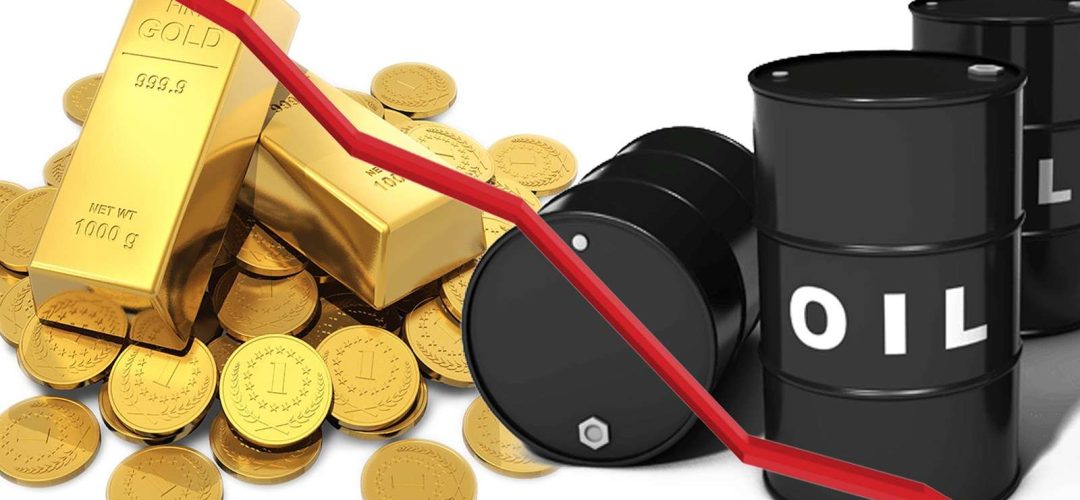
- The Bearish Case: A “supply wave” from non-OPEC producers has led to an oversupplied market. Estimates for 2026 suggest Brent crude may average around $56–$62 per barrel.
- The Bullish Risk: Geopolitical tensions in the Middle East and Eastern Europe continue to provide a “risk premium,” preventing prices from bottoming out completely.
3. Industrial Metals: The New “Green” Oil
If oil was the commodity of the 20th century, copper and lithium are the commodities of the 21st.
- Copper: Essential for everything from EV wiring to AI data center cooling systems. Supply shortages are projected to push copper prices higher through 2026.
- Lithium: After a volatile few years, lithium is seeking a new equilibrium as battery production scales globally.
Beyond the Basics: Agriculture and Softs
Investing in “soft” commodities like wheat, corn, and soybeans offers a different set of risks and rewards.
- Climate Volatility: Extreme weather patterns are increasingly affecting harvests, leading to sharp, short-term price spikes.
- Population Growth: Long-term demand for food remains one of the few “guaranteed” trends in the commodity space.
- 2026 Outlook: While currently facing a slight surplus due to strong harvests in 2025, agricultural products remain a vital hedge against food inflation.
How to Invest: Choosing the Right Vehicle
Investors no longer need to store gold bars under their beds or oil barrels in their garages. There are several modern ways to gain exposure:
| Investment Method | Pros | Cons |
| Physical Ownership | No counterparty risk, tangible security. | Storage costs, insurance, low liquidity. |
| Commodity ETFs | Easy to trade, liquid, diversified. | Expense ratios, potential “roll yield” losses. |
| Mining/Energy Stocks | Can pay dividends, potential for outperformance. | Operational risk (e.g., mine collapses, strikes). |
| Futures & Options | High leverage, pure price exposure. | High risk, complex, potential for total loss. |
Understanding “Contango” and “Backwardation”
When investing in futures-based ETFs, it is crucial to understand the Roll Yield.
- Contango: When the future price is higher than the current price, causing the ETF to lose money as it “rolls” into more expensive contracts.
- Backwardation: When the future price is lower, providing a potential boost to returns.
The Risks: What to Watch Out For
Commodity investing is not for the faint of heart. It is a high-volatility environment driven by factors often beyond an investor’s control:
- Regulatory Changes: Governments may impose “windfall taxes” on energy companies or restrict the export of critical minerals.
- Technological Disruption: A breakthrough in battery technology that doesn’t use lithium could overnight change the value of that commodity.
- Cyclicality: Commodities are boom-and-bust assets. Entering at the peak of a cycle can lead to years of underperformance.
Conclusion: Crafting Your Strategy
As we navigate 2026, a balanced approach to commodities is often the most prudent. Most financial advisors suggest a modest allocation—typically 3% to 5% of a total portfolio—to broad commodity indices or precious metals.
Whether you are bullish on the “Old Economy” energy of oil or the “New Economy” tech-metals, commodities offer a unique way to participate in the physical reality of the global market.