In an era of fluctuating interest rates and stock market volatility, investors are increasingly looking toward tangible assets to safeguard their wealth. While traditional vehicles like equities, bonds, and real estate remain the bedrock of most portfolios, alternative investments—specifically art and collectibles—have transitioned from niche hobbies into sophisticated financial strategies.
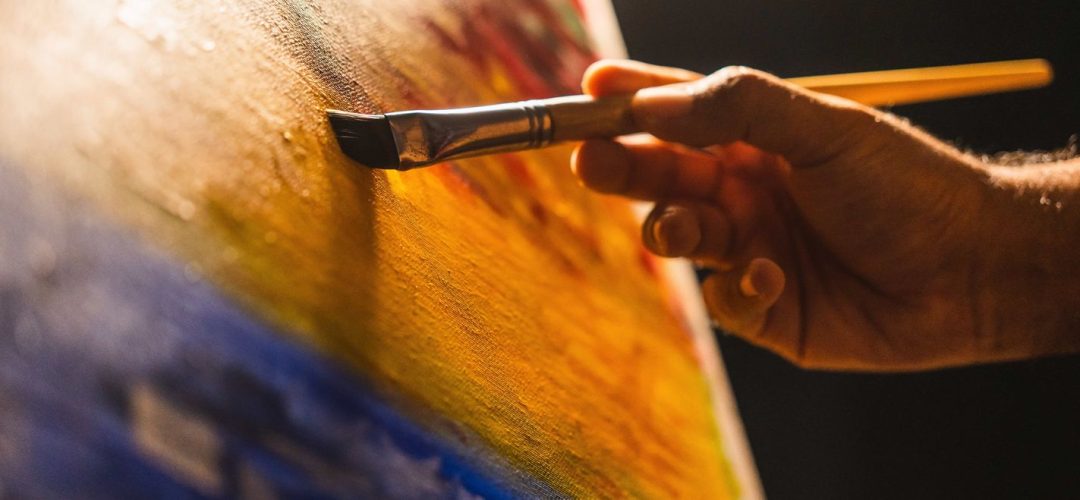
Investing in “passion assets” requires a delicate balance of aesthetic appreciation and rigorous market analysis. This article explores the mechanics of the art market, the rise of rare collectibles, and the strategic advantages and risks of treating creativity as capital.
The Value Proposition: Why Invest in Tangibles?
Unlike a share of a corporation, a piece of art or a vintage collectible possesses intrinsic physical value. Their worth is driven by scarcity, historical significance, and provenance. For many high-net-worth individuals, these assets serve as a “store of value” that remains relatively uncorrelated with traditional financial markets.
1. Hedging Against Inflation
Hard assets often retain their purchasing power when fiat currencies devalue. High-quality art and rare collectibles have historically shown a capacity to keep pace with, or even outperform, inflation over long-term horizons.
2. Low Correlation with Equities
The art market often moves on its own cycle. While a global recession can dampen luxury spending, a masterpiece by a blue-chip artist may hold its value even when the S&P 500 is in a downturn, providing a crucial layer of portfolio diversification.
3. Psychological and Aesthetic Dividends
One unique aspect of this asset class is the “utility of enjoyment.” While you cannot hang a stock certificate on your wall to admire it, a sculpture or a rare timepiece provides aesthetic pleasure while it (ideally) appreciates in value.
The Pillars of Art Investment
The art market is divided into several tiers, each with its own risk profile and entry point.
Blue-Chip Art
This represents the “Gold Standard” of the art world. It includes works by established masters whose value has been proven over decades, such as Pablo Picasso, Jean-Michel Basquiat, or Andy Warhol.
- Pros: High liquidity (compared to other art) and lower risk of price collapse.
- Cons: Extremely high barrier to entry, often requiring millions of dollars for a single acquisition.
Emerging Artists
Investing in living, younger artists is the “venture capital” of the art world.
- Pros: Potential for exponential returns if the artist gains critical acclaim and gallery representation.
- Cons: High risk; many emerging artists may never achieve secondary market relevance.
Fractional Ownership
Modern FinTech innovation has democratized art investment. Platforms now allow investors to purchase “shares” of a single masterpiece. This removes the barrier of high entry costs and allows for a more liquid way to gain exposure to the blue-chip market.
The Boom of Collectibles: Beyond the Canvas
Collectibles have evolved far beyond childhood scrapbooks. Today, the “Collectibles Market” is a multi-billion-dollar industry encompassing everything from horology to numismatics.
1. Fine Wine and Spirits
Rare vintages from Bordeaux or Burgundy and aged Scotch whiskies have become serious investment contenders. These assets are unique because they are consumable; as bottles are opened and enjoyed, the remaining supply of that specific vintage decreases, naturally driving up the price.
2. Luxury Timepieces
Brands like Patek Philippe, Rolex, and Audemars Piguet have seen certain models skyrocket in the secondary market. A “Steel Sports” watch, for instance, can often be sold immediately for double its retail price due to extreme scarcity and global demand.
3. Numismatics and Rare Coins
Rare coins are often viewed as a hybrid between a commodity (precious metals) and a historical artifact. Their value is determined by the “Three M’s”: Metal content, Mintage (how many were made), and Mark (condition/grade).
4. Classic Cars
The classic car market is driven by nostalgia and engineering excellence. Ferraris from the 1960s or air-cooled Porsche 911s are no longer just vehicles; they are rolling sculptures that require climate-controlled storage and expert maintenance.
Due Diligence: Evaluating “Investment Grade” Assets
Before capital is deployed, several factors must be scrutinized to ensure the asset is truly an investment and not just an expensive purchase.
- Provenance: This is the documented history of ownership. For a painting or a rare artifact, a gap in provenance can be a red flag for forgery or theft, rendering the asset worthless.
- Condition: In the world of collectibles, condition is everything. A single scratch on a vintage watch dial or a tear in a lithograph can decrease value by 50% or more. Professional grading (such as PSA for cards or NGC for coins) is essential.
- Rarity and Scarcity: Investors should look for “unique” or “limited edition” items. The more difficult an item is to replace, the higher its price floor tends to be.
- Authenticity: Forgeries are the greatest threat to this asset class. Never purchase high-value art or collectibles without a Certificate of Authenticity (COA) or a verifiable appraisal from a reputable third party.
Risks and Challenges
While the upside can be significant, art and collectibles are not “easy money.” Investors must navigate several structural challenges:
- Illiquidity: You cannot sell a Basquiat as quickly as you can sell a share of Apple. It may take months to find the right buyer or wait for a scheduled auction.
- Maintenance Costs: These assets require insurance, specialized storage, humidity control, and occasional restoration. These “carrying costs” can eat into your net returns.
- High Transaction Fees: Auction houses like Sotheby’s or Christie’s charge “Buyer’s Premiums” and “Seller’s Commissions,” which can range from 10% to 25%.
- Subjectivity: Market tastes change. A style of art that is “in” today may be ignored by collectors ten years from now.
The Future: Digital Assets and the Blockchain
The conversation around collectibles is incomplete without mentioning Non-Fungible Tokens (NFTs). By using blockchain technology to create a digital ledger of ownership, digital art and virtual collectibles gained massive traction. While the market has cooled since its 2021 peak, the underlying technology—tokenization—is likely to stay. It provides a way to verify authenticity and track provenance instantly, solving one of the oldest problems in the art world.
Conclusion
Art and collectibles offer a sophisticated way to diversify a portfolio, providing a hedge against systemic economic shifts while offering the unique joy of ownership. However, they should rarely comprise the majority of an investment strategy.
For the modern investor, the key is to buy what you love, but verify what you buy. By treating these assets with the same analytical rigor as a stock or a bond—while accounting for the costs of preservation—you can turn a passion for the finer things in life into a robust pillar of your financial future.
Would you like me to create a more specific guide on the valuation metrics for one of these categories, such as luxury watches or emerging contemporary art?