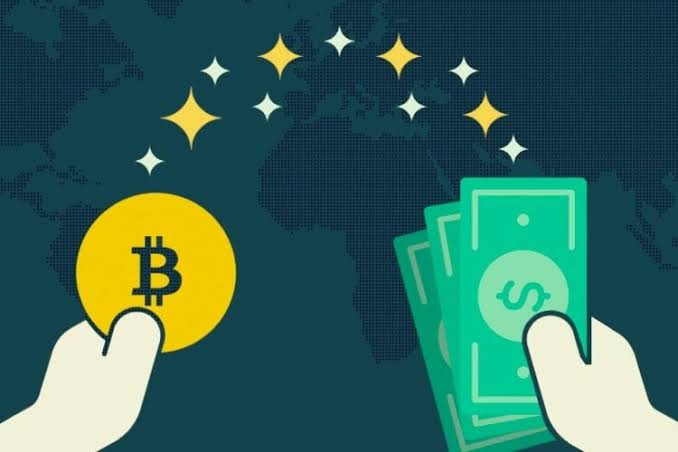
The global financial landscape is undergoing a paradigm shift. For decades, traditional asset classes like stocks, bonds, and real estate have been the cornerstones of wealth preservation and growth. However, the emergence of Blockchain technology has introduced a new frontier: Digital Assets. What began as an experimental digital currency in 2009 has evolved into a multi-trillion-dollar ecosystem that is redefining ownership, transparency, and liquidity.
Understanding this space is no longer optional for the modern investor. Whether you are looking to diversify a portfolio or understand the underlying infrastructure of “Web3,” this guide explores the mechanics, risks, and opportunities of blockchain-based investments.
1. Understanding the Foundation: What is Blockchain?
To understand digital assets, one must first understand the Blockchain. At its core, a blockchain is a decentralized, distributed ledger that records transactions across a network of computers. Unlike a traditional bank database, no single entity controls the information.
- Immutability: Once a transaction is recorded, it cannot be altered or deleted.
- Transparency: Every transaction is visible to anyone on the network, ensuring accountability.
- Decentralization: The removal of intermediaries (like banks or brokers) reduces costs and increases efficiency.
2. Categorizing Digital Assets
The term “Digital Assets” is broad, encompassing several distinct types of tokens and coins. Categorizing them helps investors understand their utility and risk profile.
Cryptocurrencies (Payment Tokens)
These are digital or virtual currencies designed to function as a medium of exchange. Bitcoin (BTC) remains the gold standard, often referred to as “Digital Gold” due to its capped supply of 21 million coins, making it a potential hedge against inflation.
Smart Contract Platforms (Utility Tokens)
Ethereum (ETH) pioneered this category. These blockchains allow developers to build decentralized applications (dApps). When you invest in ETH or similar tokens like Solana (SOL) or Cardano (ADA), you are essentially betting on the growth of the ecosystem built on top of that network.
Stablecoins
Stablecoins are digital assets pegged to the value of a traditional currency, such as the US Dollar. Assets like USDC or USDT provide a “safe harbor” within the volatile crypto market, allowing investors to move in and out of positions without exiting to fiat currency.
Non-Fungible Tokens (NFTs)
NFTs represent ownership of unique items. While often associated with digital art, their true value lies in tokenization—the ability to prove ownership of real-world assets, intellectual property, or even gaming assets on the blockchain.
3. The Rise of Tokenized Real-World Assets (RWA)
One of the most significant trends in 2026 is the tokenization of Real-World Assets. This involves creating digital tokens that represent a share of a physical asset, such as a commercial building, a piece of fine art, or private equity.
- Fractional Ownership: Blockchain allows an expensive asset to be split into thousands of tokens, lowering the barrier to entry for retail investors.
- 24/7 Liquidity: Unlike real estate, which can take months to sell, tokenized shares can be traded on secondary markets instantly.
4. Strategies for Blockchain-Based Investing
Investing in digital assets requires a different mindset than traditional markets. Here are three common strategies:
HODLing (Long-Term Value)
Derived from a typo of “hold,” this strategy involves buying assets with strong fundamentals (like BTC or ETH) and holding them for years, regardless of short-term price swings.
Staking and Yield Generation
In Proof of Stake (PoS) networks, investors can “stake” their tokens to help secure the network. In exchange, they receive rewards, similar to earning interest in a savings account. This provides a way to earn passive income on top of capital appreciation.
Diversification through ETFs
With the approval of Spot Bitcoin and Ethereum ETFs, investors can now gain exposure to digital assets through traditional brokerage accounts. This removes the technical hurdle of managing “private keys” and digital wallets.
5. Risk Management and Security
While the potential for high returns is significant, the risks in the digital asset space are equally high.
- Volatility: Digital assets can experience double-digit price swings in a single day. Only invest capital that you can afford to lose.
- Regulatory Uncertainty: Governments worldwide are still defining how digital assets should be taxed and regulated. Changes in policy can impact market prices significantly.
- Cybersecurity: Unlike a bank account, if you lose access to your digital wallet or your private keys are stolen, your funds are usually unrecoverable.
- Best Practice: Use “Cold Storage” (hardware wallets) for long-term holdings and enable Multi-Factor Authentication (MFA) on all exchange accounts.
6. Due Diligence: How to Evaluate a Project
Before investing in a specific token, conduct a thorough “Fundamental Analysis”:
- Whitepaper: Does the project solve a real-world problem?
- The Team: Who are the developers? Do they have a history of success?
- Tokenomics: What is the total supply? How are tokens distributed? (Beware of projects where a few “whales” hold the majority of the supply).
- Community and Adoption: Is the project being used, or is it just hype? Check developer activity on platforms like GitHub.
7. The Future: Institutional Adoption and “Web3”
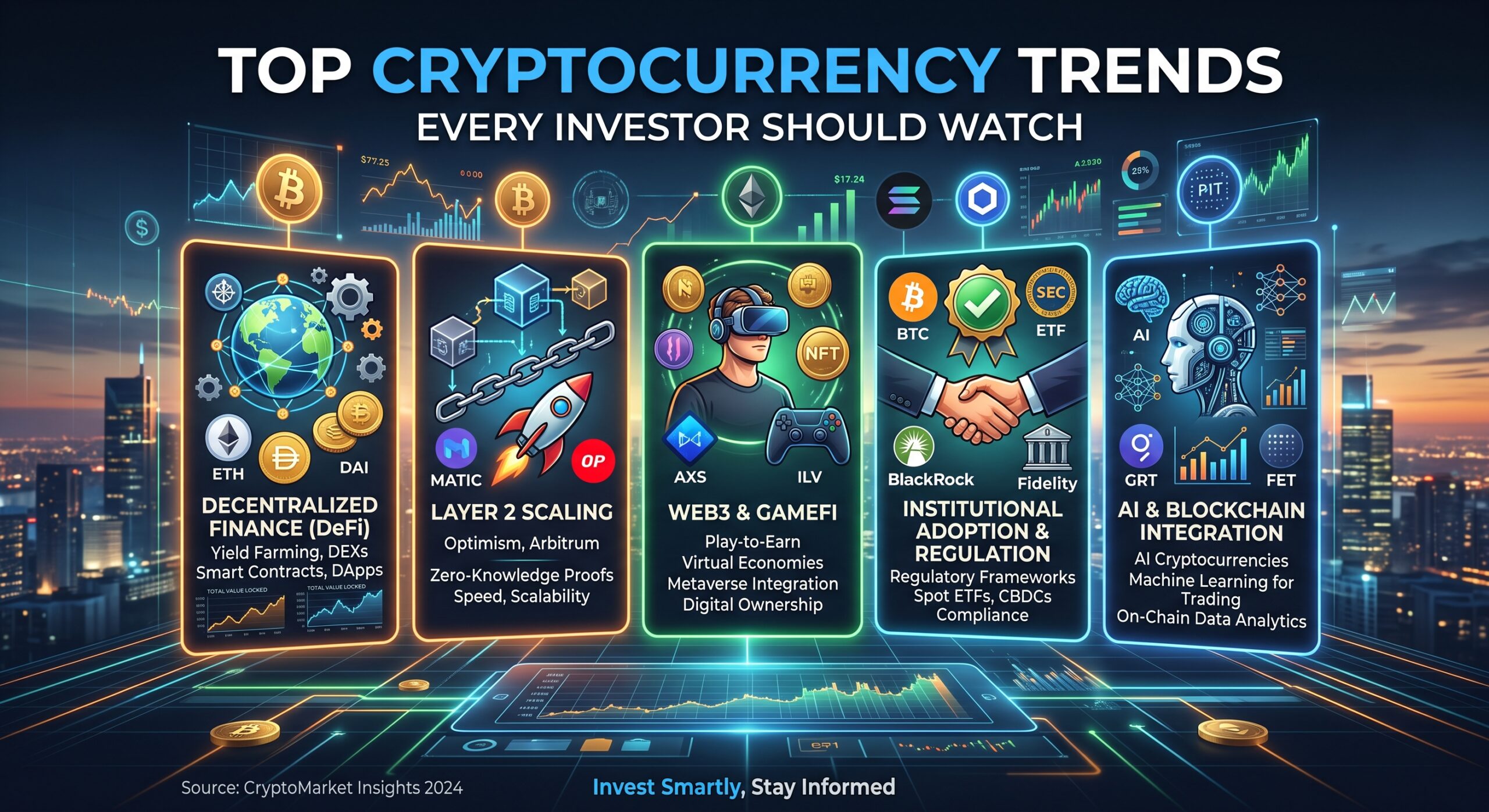
We are moving toward an era where blockchain is the “plumbing” of the financial world. Major institutions like BlackRock and Fidelity are already integrating digital assets into their offerings. As the technology matures, we expect to see:
- Central Bank Digital Currencies (CBDCs): National currencies moving onto the blockchain.
- DeFi (Decentralized Finance): Lending, borrowing, and insurance services that operate without traditional banks.
Conclusion
Digital assets and blockchain-based investments represent more than just a new way to trade; they represent a fundamental change in how value is stored and transferred globally. While the path is marked by volatility and complexity, the underlying efficiency of blockchain technology suggests that digital assets are here to stay.
For the disciplined investor, the key to success lies in education, robust security practices, and a balanced approach to risk. As with any investment, diversification remains your best defense against uncertainty.
Disclaimer: This article is for informational purposes only and does not constitute financial advice. Digital asset investments carry a high degree of risk. Always consult with a certified financial advisor before making investment decisions.