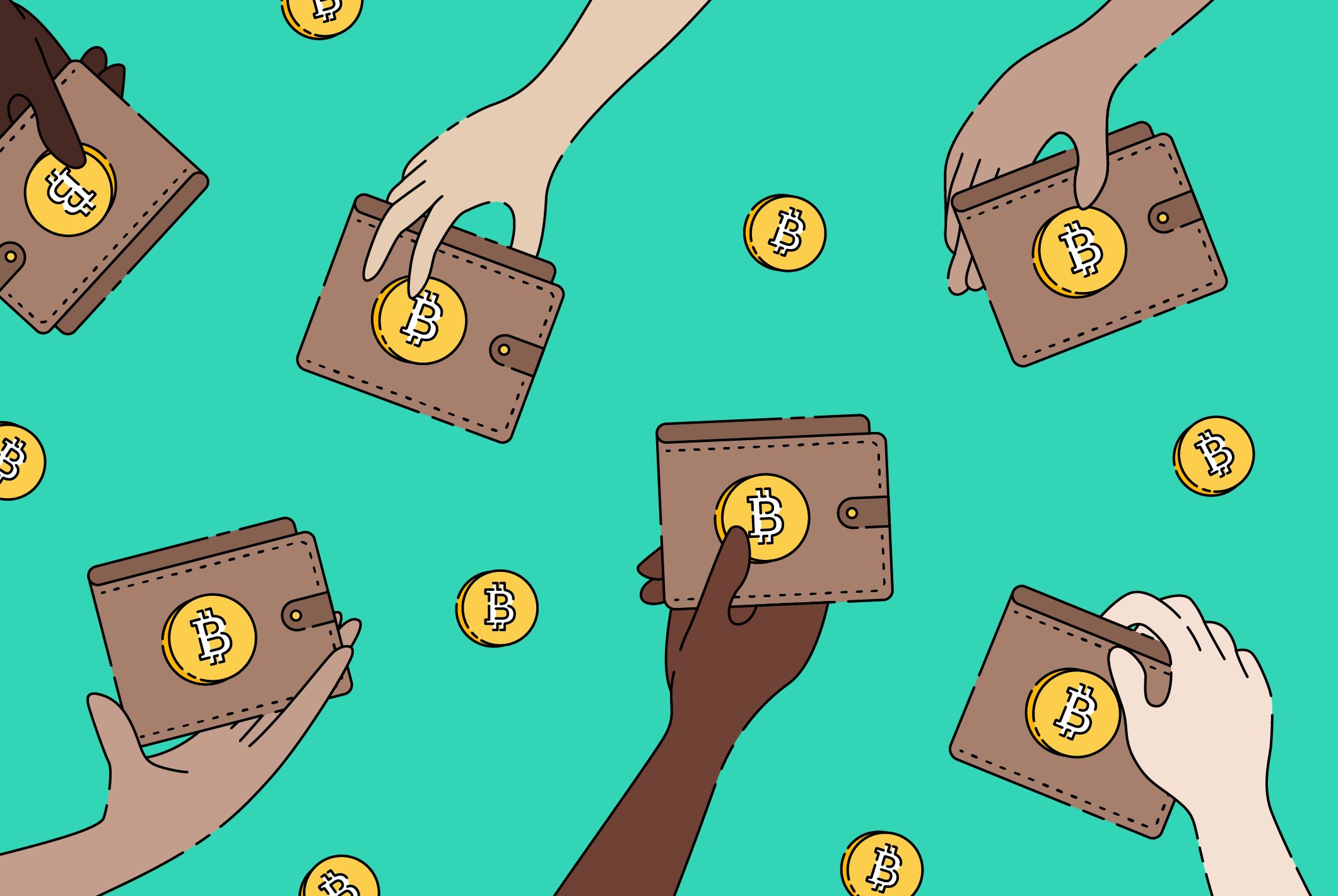

Cryptocurrency is a digital or virtual medium of exchange that uses cryptographic techniques to secure transactions, control the creation of new units, and verify the transfer of assets. Unlike traditional fiat currencies issued by central banks—such as the US Dollar, Euro, or Japanese Yen—cryptocurrencies operate on decentralized networks powered by distributed ledger technology known as a blockchain.
What Is Cryptocurrency and How Does It Work?
At its core, cryptocurrency functions as a peer-to-peer digital payment system. When money is transferred through traditional banking systems, a centralized institution verifies account balances, processes the transfer, and updates its private database. Cryptocurrency removes the central intermediary, relying instead on a network of computers (nodes) distributed across the globe to validate and record every transaction.
The Core Technology: Blockchain
A blockchain is a decentralized, immutable public ledger that records transactions in chronological sequences of data containers called “blocks”.
- Decentralization: No single entity, corporation, or government controls the network. The ledger copy is distributed across thousands of participant computers worldwide.
- Immutability: Once a block of transactions is confirmed and added to the chain, modifying historical data requires altering every subsequent block across the majority of the network—a computational feat that is practically impossible.
- Cryptography: Mathematical encryption algorithms generate public and private key pairs, ensuring that only the rightful owner of an asset can sign and authorize transactions.
Key Categories of Cryptocurrencies
Thousands of digital assets exist in the market, but most fit into three primary categories based on design and utility:
| Category | Description | Primary Use Case | Examples |
| Store of Value / Currency | Scarce digital assets designed as alternatives to traditional currency and inflation hedges. | Peer-to-peer payments, long-term asset holding. | Bitcoin (BTC), Litecoin (LTC) |
| Smart Contract Platforms | Programmable blockchains that host decentralized applications (dApps) and automated execution rules. | Decentralized Finance (DeFi), web3 tools, smart contracts. | Ethereum (ETH), Cardano (ADA), Solana (SOL) |
| Stablecoins | Tokens pegged directly to real-world assets like fiat currencies or gold to eliminate price volatility. | Everyday transactions, liquidity management, hedging market swings. | Tether (USDT), USD Coin (USDC) |
Understanding Crypto Wallets: Public vs. Private Keys
To interact with cryptocurrency, users rely on digital wallets. A common misconception is that wallets store physical or digital coins inside a device; in reality, your assets reside on the blockchain, while the wallet stores the cryptographic credentials required to access them.
- Public Key (Account Address): Functioning similarly to a bank account number or email address, your public key can be safely shared with others to receive funds.
- Private Key (Digital Signature): Functioning as a master password, the private key grants spending authority over the assets linked to your public address. If someone gains access to your private key, they control your funds.
Storage Options: Hot Wallets vs. Cold Wallets
Selecting the right storage method depends on convenience needs versus security priorities:
- Hot Wallets (Connected to the Internet): Web-based exchange wallets, mobile applications, and browser extensions. They offer seamless convenience for regular transactions but carry higher exposure to online threats and malware.
- Cold Wallets (Offline Storage): Physical hardware devices resembling USB drives that store private keys entirely offline. Cold storage isolates sensitive cryptographic keys from internet-connected vectors, representing the gold standard for long-term security.
Managing Risks: Security Practices for Beginners
While blockchain networks themselves are highly secure, individual users must take active responsibility for safeguarding their personal credentials and avoiding operational pitfalls.
- Enable Multi-Factor Authentication (MFA): Always configure app-based authentication (such as Google Authenticator) rather than SMS-based verification, which is susceptible to SIM-swapping attacks.
- Never Share Seed Phrases or Private Keys: Legitimate platforms, exchange support teams, or project developers will never ask for your seed phrase or private keys.
- Verify Web Addresses and Links: Phishing attacks often mimic popular exchange interfaces or wallet login pages to harvest user credentials. Bookmarking official websites avoids fraudulent search ads.
- Understand Market Volatility: Cryptocurrency markets operate 24/7 and experience substantial price swings driven by sentiment, technological changes, regulatory updates, and macroeconomic factors.
- Comply with Local Tax Regulations: In most jurisdictions, virtual currency transactions—including trading crypto for fiat, exchanging one token for another, or spending crypto on goods—are taxable events subject to capital gains rules.
Disclaimer: This guide is provided strictly for informational and educational purposes and should not be construed as financial, legal, or investment advice.