
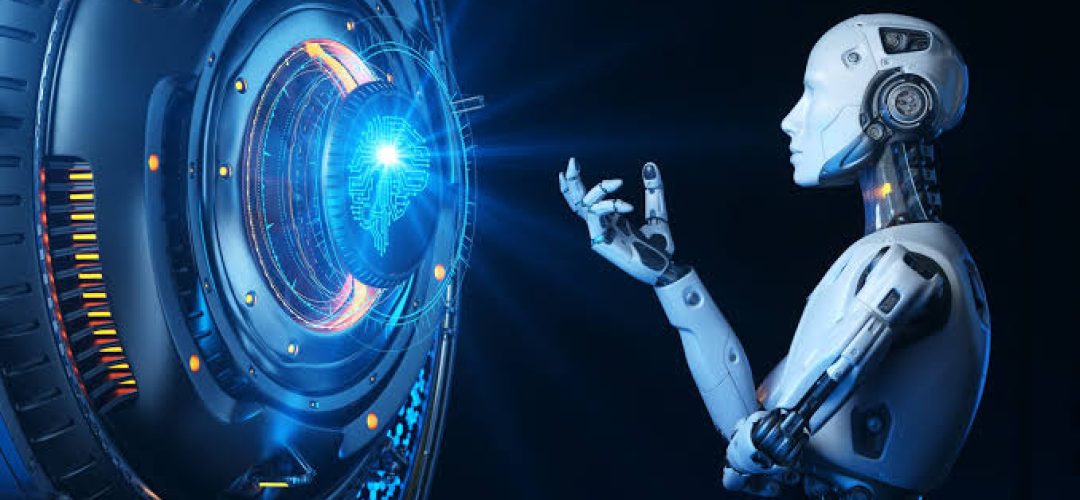
The convergence of Artificial Intelligence (AI) and automation is fundamentally rewriting the rules of the global economy. Often referred to as the core engine of the Fourth Industrial Revolution, intelligent automation is moving beyond repetitive, mechanical tasks into the realm of complex decision-making, cognitive analysis, and creative problem-solving.
As businesses strive for unprecedented efficiency and individuals adapt to a shifting labor market, understanding the trajectory of AI-driven automation is no longer optional—it is a strategic imperative. This comprehensive article explores how AI is transforming automated systems, the industries undergoing the most radical shifts, the economic implications, and the critical balance between technological progress and human workforce integration.
1. The Evolution: From Simple Automation to Intelligent Automation
To understand the future, we must distinguish between traditional automation and AI-driven automation.
- Robotic Process Automation (RPA): Traditional automation relies on hard-coded rules. It excels at execution—doing the exact same task repeatedly without error, such as data entry or assembly line sorting. However, if a variable changes slightly outside its programming, the system breaks.
- Intelligent Automation (IA): AI infuses these systems with cognitive capabilities like Machine Learning (ML), Natural Language Processing (NLP), and Computer Vision. Instead of merely executing commands, intelligent systems can analyze data, recognize patterns, learn from exceptions, and make autonomous adjustments.
[Traditional Automation (RPA)] ──> Follows strict, rigid rules
[Intelligent Automation (AI)]  ──> Learns, adapts, and decides autonomously
This shift from “doing” to “thinking and doing” allows automation to scale vertically across enterprises, moving from the factory floor straight into executive decision-making processes.
2. Key Sectors Being Reshaped by AI Automation
No industry is entirely immune to the disruptive capabilities of artificial intelligence. However, several sectors are currently at the forefront of this transformation.
Finance and Corporate Operations
In corporate finance, AI-driven automation has evolved far beyond automated bookkeeping. Advanced algorithms now manage high-frequency trading, detect fraudulent activities in real-time by analyzing billions of transactions, and automate complex regulatory compliance checks. Risk assessment models utilize predictive AI to analyze macroeconomic trends, helping corporations optimize their capital structure and investment portfolios with minimal human intervention.
Manufacturing and Logistics
While robots have populated factory floors for decades, AI brings predictive maintenance and autonomous logistics to the forefront. Smart factories use IoT sensors paired with AI to predict equipment failures weeks before they occur, drastically reducing downtime. In logistics, autonomous drones, self-driving forklifts, and AI-optimized routing algorithms ensure supply chains remain resilient against global disruptions.
Cybersecurity and Threat Prevention
As cyber threats grow exponentially in sophistication, manual threat detection is no longer sufficient. AI automation acts as a continuous, 24/7 digital sentinel. Automated systems use behavioral analytics to identify anomalous patterns within a network, instantly isolating compromised nodes and neutralising zero-day exploits before human engineers even flag the anomaly.
[Threat Detected] ──> [AI Behavioral Analysis] ──> [Instant Autonomous Isolation]
Digital Marketing and Content Delivery
The media and marketing landscapes are experiencing an unprecedented shift toward hyper-personalization. AI automated systems analyze user behavior, search intent, and engagement metrics to deliver tailored content experiences at scale. This allows platforms to distribute value efficiently while aligning seamlessly with modern digital monetization standards.
3. The Economic Impact: Productivity, Jobs, and the “Reskilling” Imperative
The rapid rise of intelligent automation naturally sparks intense debate regarding the future of work. Will AI create widespread unemployment, or will it usher in an era of unprecedented human productivity?
The Productivity Paradox
Historically, every wave of automation has initially caused displacement but ultimately generated new economic sectors and employment opportunities. AI is expected to boost global GDP significantly by increasing operational efficiency. By handling data-heavy, redundant, and time-consuming tasks, AI frees human workers to focus on higher-value activities that require emotional intelligence, leadership, and nuanced strategy.
The Changing Nature of Skills
The narrative of “human vs. machine” is shifting toward human-machine collaboration. The workforce of the future will not necessarily compete with AI; rather, professionals who know how to leverage AI will replace those who do not.
To remain competitive, the global workforce must focus on rapid reskilling:
| Skill Category | Automated by AI | Enhanced by Human-AI Synergy |
| Technical/Data | Basic coding, data entry, routine IT diagnostics | Advanced system architecture, prompt engineering |
| Operational | Scheduling, standard auditing, inventory tracking | Strategic supply chain management, crisis resolution |
| Cognitive/Creative | Basic copywriting, routine financial reporting | High-level strategy, deep creative direction, ethics |
4. Ethical Considerations and Governance
As autonomous systems gain the ability to make impactful decisions, establishing robust ethical frameworks becomes paramount.
Algorithmic Bias and Fairness
AI models learn from historical data. If that data contains implicit biases, the automated systems will replicate and amplify those biases at scale. Whether in automated hiring processes, loan approvals, or judicial risk assessments, ensuring algorithmic transparency and data integrity is critical to avoiding systemic discrimination.
Accountability and Transparency
When an autonomous system makes an error—such as a self-driving vehicle collision or an automated financial loss—determining liability becomes complex. Regulatory bodies worldwide are actively developing frameworks to ensure that AI systems remain explainable, auditable, and accountable to human oversight.
5. Strategic Blueprint for Businesses Adopting AI Automation
For enterprises looking to integrate intelligent automation without disrupting existing operational harmony, a phased approach is essential:
- Identify Bottlenecks: Pinpoint high-volume, repetitive processes where human error or delays frequently occur.
- Prioritize Data Hygiene: AI is only as good as the data feeding it. Establish clean, unified data pipelines before deploying machine learning models.
- Implement Incremental Scaling: Start with narrow AI applications (e.g., automated customer support routing or automated invoice processing) before deploying end-to-end autonomous workflows.
- Foster an AI-Ready Culture: Actively involve employees in the transition. Demystify the technology and provide clear pathways for internal mobility and continuous upskilling.
Conclusion: The Horizon of Coexistence
Artificial Intelligence and automation are not distant future concepts; they are actively reshaping the current economic reality. The future of automation does not signify the erasure of the human workforce, but rather its evolution.
By automating the mundane, AI presents humanity with a unique opportunity to elevate its professional focus toward innovation, strategic thinking, and genuine human connection. The organizations and individuals who proactively embrace this synergy, invest in continuous learning, and uphold rigid ethical standards will be the definitive leaders of tomorrow’s automated landscape.