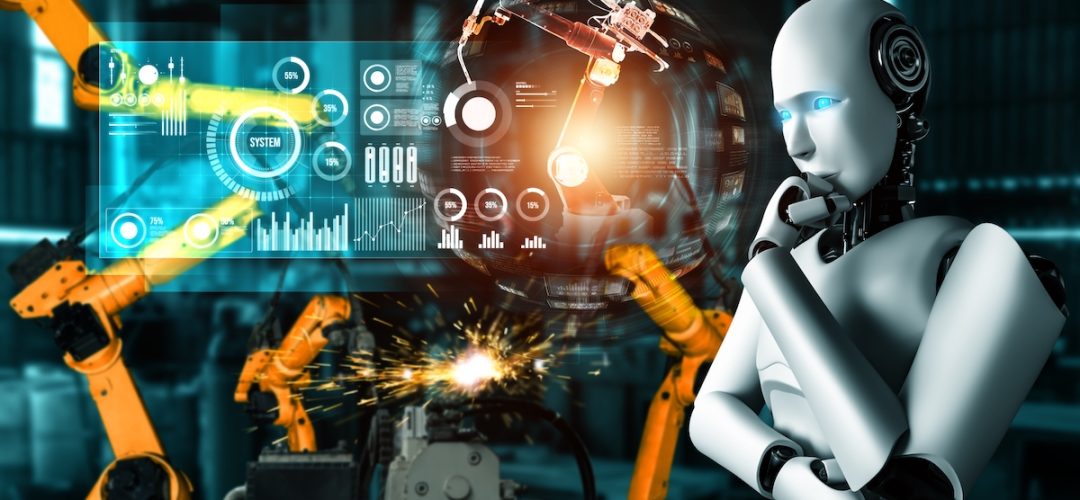
The definition of a “smart device” has undergone a radical transformation. A decade ago, connecting a toaster, a lightbulb, or a vacuum cleaner to Wi-Fi was enough to earn the “smart” label. These early iterations, however, were not truly intelligent; they were merely remote-controlled. They relied entirely on explicit user inputs, static schedules, and rigid, pre-programmed rules.
Today, the integration of advanced Artificial Intelligence (AI), Machine Learning (ML), and Edge Computing is spark-igniting a new era. Smart devices are evolving from passive, reactive tools into proactive, autonomous assistants. By shifting from connectivity to true cognition, AI is fundamentally changing how we interact with technology, manage our homes, and optimize our daily lives.
1. The Core Engines of Ambient Intelligence
To understand how AI drives innovation in hardware, we must look at the technologies enabling this shift. The modern smart device relies on a combination of cloud processing and localized intelligence to perceive and react to the physical world.
- Computer Vision (CV): Devices can now “see” and interpret visual data. Robot vacuums no longer just bump into walls; they identify specific obstacles like electrical cords or pet waste and navigate around them.
- Natural Language Processing (NLP): Voice assistants have moved past rigid command structures. Thanks to Large Language Models (LLMs), they understand context, nuance, hesitation, and conversational history.
- Edge AI and TinyML: Historically, smart devices sent data to the cloud for processing, causing latency and privacy concerns. The optimization of machine learning models allows complex AI algorithms to run locally on low-power microcontrollers embedded directly within the device.
2. Transforming the Smart Home: From Automation to Anticipation
The smart home ecosystem is the most visible canvas for AI-driven innovation. The goal of the modern smart home is no longer just automation, but anticipation—creating an environment that adapts to human behavior without requiring constant manual adjustment.
Climate Control and Energy Optimization
Early smart thermostats allowed users to set schedules via smartphone apps. AI-driven thermostats take this a step further by studying household routines, occupancy patterns, and local weather forecasts. By analyzing these data streams, the AI creates dynamic thermal profiles. If the system learns that the occupants typically arrive home at 6:00 PM, it will calculate the exact moment to activate the HVAC system based on current outdoor temperatures, maximizing comfort while reducing energy consumption by up to 15% to 20%.
Intelligent Home Security
Legacy security cameras flood users with notifications every time a tree branch moves or a shadow shifts, leading to “alert fatigue.” AI-equipped security systems utilize local computer vision to accurately differentiate between a blowing leaf, a neighborhood pet, a delivery driver dropping off a package, and an unrecognized individual lingering on the property. These systems can track package deliveries, flag suspicious behavior, and significantly reduce false alarms, ensuring that urgent alerts receive immediate attention.
[Legacy Smart Devices]  --> Rely on User Input & Rigid Schedules
[AI-Driven Devices]    --> Use Sensor Fusion & Edge ML to Predict Needs Autonomousy
3. Healthcare and Wearables: Continuous, Proactive Monitoring
Perhaps the most impactful application of AI in consumer hardware is within the health and wellness sector. Wearable devices have evolved from simple step-counters into sophisticated diagnostic tools capable of saving lives through predictive analytics.
| Feature / Metric | Legacy Wearables | AI-Powered Smart Wearables |
| Data Collection | Static, retrospective tracking (e.g., total steps). | Continuous, real-time biometric streaming. |
| Heart Health | Simple pulse measurement. | On-demand ECG, Afib detection, and photoplethysmography (PPG) anomaly tracking. |
| Sleep Analysis | Total hours slept based on lack of movement. | Deep sleep-architecture tracking correlated with respiratory patterns. |
| Risk Assessment | Reactive (shows data after an event occurs). | Predictive (flags potential health anomalies before symptoms worsen). |
Advanced algorithmic models process these biometric streams to establish a highly personalized baseline for the user. When a wearable detects a subtle, sustained deviation from this baseline—such as an elevated resting heart rate combined with decreased heart rate variability (HRV)—it can alert the user to potential physical stress, oncoming illness, or cardiovascular anomalies long before clinical symptoms present themselves.
4. The Kitchen Revolution: AI in Domestic Appliances
Domestic appliances are experiencing a massive upgrade as manufacturers embed AI directly into the heart of the kitchen. Smart refrigerators equipped with internal cameras and object-recognition models can catalog inventory automatically. When items run low, the appliance can update a digital shopping list or suggest recipes based entirely on the ingredients currently available, significantly reducing domestic food waste.
Similarly, AI-driven ovens utilize integrated sensors and internal cameras to identify the specific type of food placed inside—whether it is a chicken breast, a tray of vegetables, or a sourdough loaf. The appliance automatically configures the optimal cooking mode, temperature curve, and moisture levels, monitoring the surface browning in real time to ensure perfect results without manual intervention.
5. Overcoming the Bottlenecks: Privacy, Security, and Interoperability
While the potential of AI-driven smart devices is immense, widespread adoption hinges on addressing three critical challenges: data privacy, cybersecurity, and fragmentation.
The Privacy Trade-off: For AI to anticipate needs accurately, it requires access to highly personal data—including daily routines, voice recordings, and biometric markers. Striking a balance between personalized utility and data sovereignty is a major priority for the industry.
To maintain consumer trust and comply with global privacy frameworks, the industry is heavily prioritizing Edge AI. By processing voice, video, and biometric data locally on the device rather than transmitting it to centralized corporate servers, manufacturers can deliver deeply personalized experiences while keeping user data secure within the home network.
Furthermore, the widespread adoption of open-source interoperability standards, such as Matter, ensures that AI models can securely communicate across different brands and ecosystems. This breaks down technical silos and allows for a more cohesive, intelligent, and secure user experience.
6. The Horizon: Autonomous Ecosystems
Looking forward, the innovation pipeline for smart devices points toward a future of complete decentralization and autonomous ecosystems. We are moving away from interacting with individual apps for individual devices. Instead, we are entering an era of Sensor Fusion, where multiple devices throughout an environment seamlessly share data to solve complex problems collectively.
In this upcoming paradigm, your wearable device might detect that you had a poor night’s sleep. It will automatically communicate this context to your smart kitchen to brew a stronger cup of coffee, signal your calendar to avoid scheduling intensive tasks early in the morning, and adjust your home’s lighting spectrum to enhance alertness. The device fades into the background, leaving behind a highly responsive, intuitive environment that supports human well-being.
AI is not just adding features to our gadgets; it is fundamentally redefining the relationship between humans and technology. By turning passive hardware into cognitive partners, AI is creating a world where technology works quietly, efficiently, and intelligently in the background of our daily lives.